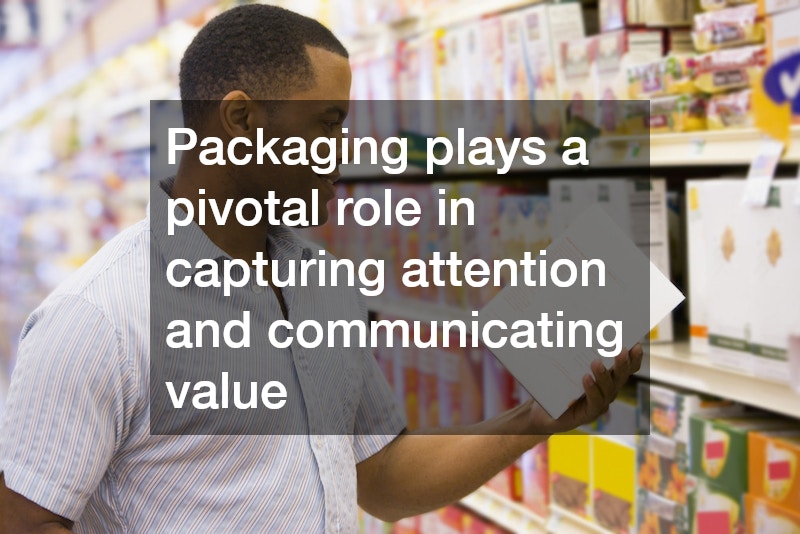
Product packaging is not just a protective shell but also a strategic marketing tool that shapes how consumers perceive, interact with, and ultimately choose a product. From the moment a shopper scans a shelf or scrolls through an online store, packaging plays a pivotal role in capturing attention and communicating value. How your product is packaged bridges the gap between brand identity and consumer expectation, influencing not only first impressions but also long-term loyalty. Businesses that approach packaging with intention often see stronger engagement, improved customer satisfaction, and increased sales performance.
The Influence of Packaging on Customer Behavior
Visual Appeal and Branding
Visual design is one of the most immediate drivers of consumer behavior. Colors, typography, imagery, and overall layout work together to establish a brand’s personality and differentiate it from competitors.
Packaging that aligns with a brand’s message, whether minimalist, premium, eco-conscious, or playful, can quickly resonate with the intended audience.
Consumers often make split-second decisions, especially in retail environments where multiple options compete for attention. Eye-catching packaging can serve as a silent salesperson, guiding buyers toward a product without additional explanation. Consistent branding across packaging also reinforces recognition, making it easier for repeat customers to identify their preferred products.
Functional Aspects and Usability
Beyond aesthetics, functionality is critical to the consumer experience. Packaging must be easy to open, store, and, in many cases, reseal. Ergonomic shapes, tamper-evident seals, and portion-control mechanisms can significantly enhance usability.
Convenience often translates directly into customer satisfaction. For example, packaging designed for on-the-go consumption or easy dispensing can create a competitive advantage. When consumers feel that a product fits seamlessly into their lifestyle, they are more likely to repurchase and recommend it to others.
Sustainability and Environmental Impact
Sustainability has become a major factor in purchasing decisions. Consumers are increasingly aware of environmental issues and often favor brands that demonstrate responsible practices. Packaging made from recyclable, biodegradable, or reduced materials can positively influence brand perception.
Companies that prioritize eco-friendly solutions not only appeal to environmentally conscious consumers but also position themselves as forward-thinking and responsible. This can foster deeper trust and long-term loyalty. However, sustainability must be balanced with functionality to ensure that the packaging still protects the product effectively.
Key Elements of Effective Packaging
Design and Graphics
Effective packaging design combines creativity with clarity. Graphics should not only attract attention but also communicate essential information quickly. This includes product benefits, usage instructions, and brand values.
A well-designed package tells a story. It conveys what the product is, who it’s for, and why it matters—all within seconds. Strategic use of whitespace, hierarchy, and visual cues helps guide the consumer’s eye and improves comprehension. Strong design also enhances perceived value, making a product appear more premium or trustworthy.
Material Selection
The choice of materials directly impacts product protection, cost efficiency, and consumer perception. Different products require different levels of durability, barrier protection, and shelf stability. For example, food and beverage items often rely on specialized plastics, glass, or metal to maintain freshness and safety. For more durable products, packaging may use polyethylene terephthalate (PET), a light-weight plastic, whereas more fragile products may require hardier packaging and cushioning for protection.
In many manufacturing processes, components like PET preforms are used to create lightweight, durable bottles that balance cost and performance. These materials are popular because they offer clarity, strength, and recyclability, making them suitable for a wide range of applications.
Material selection also influences logistics. Lightweight packaging can reduce shipping costs, while durable materials minimize damage during transit. At the same time, consumers may associate certain materials, such as glass or paperboard, with higher quality or sustainability, affecting their purchasing decisions.
How to Choose the Right Packaging for Your Product
Understanding Your Target Audience
Selecting the right packaging begins with a deep understanding of your target audience. Demographics, preferences, and purchasing behaviors all play a role in determining what type of packaging will resonate most effectively.
For instance, younger consumers may prioritize sustainability and modern design, while older audiences might value clarity and ease of use. Conducting market research, analyzing customer feedback, and studying competitors can provide valuable insights that inform packaging decisions.
Balancing Cost and Quality
Cost considerations are an essential part of the packaging process, but they should not come at the expense of quality. Poorly designed or low-quality packaging can lead to product damage, negative reviews, and lost sales.
Businesses must find a balance between affordability and performance. This often involves evaluating different materials, production methods, and design options to identify the most cost-effective solution that still meets quality standards. Investing in durable and well-designed packaging can ultimately reduce long-term costs by minimizing returns and enhancing brand perception.
Product packaging is a powerful intersection of marketing, functionality, and consumer psychology. From visual design and material selection to sustainability and usability, every element plays a role in shaping the customer experience. Businesses that invest in thoughtful, well-executed packaging strategies are better positioned to capture attention, build trust, and drive long-term success. By understanding consumer behavior, prioritizing quality, and staying attuned to industry trends, brands can turn packaging into a meaningful competitive advantage.