
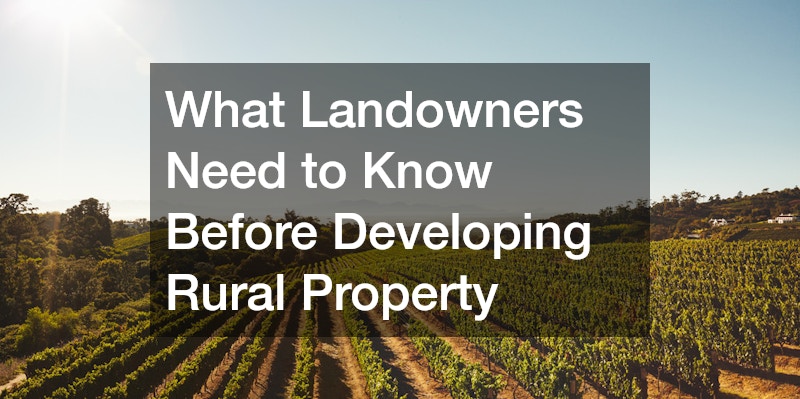
Developing rural property can create opportunities for a home, agricultural operation, recreational destination, rental property, or future commercial use. However, transforming undeveloped land into a functional property requires much more than choosing a building site. Landowners must consider access, drainage, utilities, waste management, structures, recreation, signage, and the long-term goals for the property.
Rural development can also involve coordinating several specialized contractors and services. Understanding what needs to happen before construction begins can help property owners establish realistic budgets, avoid preventable delays, and make better decisions about improvements.
Start With a Thorough Property Assessment

Before investing in improvements, landowners should understand the characteristics and limitations of the property. A professional land survey can identify boundaries, easements, access points, elevation changes, and other factors that could affect future development.
Soil conditions are particularly important. Different areas of a property may have different drainage characteristics, bearing capacities, and suitability for construction. If a septic system will be required, soil testing and an evaluation of local requirements should happen early in the planning process.
Water availability is another major consideration. Rural properties may not have access to municipal water, meaning the owner could need a private well and related equipment. A property evaluation should account for both the availability of water and the infrastructure required to deliver it where it is needed.
Landowners should also evaluate existing roads, vegetation, slopes, streams, ponds, flood-prone areas, and other natural features. These characteristics can influence where buildings, driveways, recreational amenities, and utility systems can be located.
Establish the Property’s Long-Term Purpose
A clear vision can make rural development much easier to manage. Before hiring contractors, consider what the property should accomplish in five, 10, or even 20 years.
A property intended primarily as a residence may require a driveway, home site, septic system, well, outbuildings, and recreational amenities. Agricultural land may need barns, equipment storage, livestock facilities, fencing, and specialized access. A property intended for events, rentals, or commercial activity may require additional parking, sanitation facilities, signage, and accessibility improvements.
The intended use can also influence the order in which improvements are completed. For example, installing permanent infrastructure before deciding where a barn or swimming pool will go could result in unnecessary relocation costs.
Creating a master plan helps landowners think about the entire property rather than treating each improvement as an isolated project.
Plan Roads, Access, and Drainage Carefully
Reliable access is one of the most important elements of rural property development. Construction crews, delivery vehicles, emergency responders, residents, and visitors all need dependable routes into and around the property.
Existing driveways may need to be widened, reinforced, resurfaced, or redesigned. Drainage should be considered at the same time because water flowing across a road can cause erosion, potholes, and premature deterioration.
In areas where curbs are appropriate, an asphalt curb installation can help define pavement edges and manage water movement. The right approach depends on the property’s grading, drainage requirements, road design, and local regulations.
Landowners should avoid making major paving decisions before understanding how water will move across the site. A road that looks properly graded during dry weather can develop significant problems after heavy rain if runoff has nowhere to go.
It is also important to consider construction traffic. Heavy equipment and delivery trucks can place substantially more stress on a driveway than ordinary passenger vehicles. Building access routes to accommodate the construction phase can prevent damage to finished surfaces.
Understand Wastewater and Sanitation Needs
Wastewater management is one of the issues that can distinguish rural development from development in areas with municipal infrastructure. Properties outside sewer service areas may need private wastewater treatment systems.
A reputable septic company can help evaluate the site, determine the appropriate system, and explain maintenance requirements. Local health departments and permitting agencies may establish requirements related to soil testing, system placement, setbacks, installation, inspections, and ongoing maintenance.
Landowners should consider the future size and use of the property when planning wastewater infrastructure. A system designed for a small household may not be appropriate if the property will eventually accommodate guest facilities, rental units, events, or additional structures.
Sanitation planning also matters during construction and special events. When permanent restrooms are unavailable, a portable toilet rental can provide temporary facilities for workers, visitors, or event attendees. Planning these services ahead of time can make large-scale projects more practical and comfortable.
Secure a Reliable Water Supply
Water is another fundamental concern for rural property owners. Depending on the location, a property may use a private well, cistern, surface water source, or another system.
A well needs more than a source of groundwater. Pumps, pressure tanks, electrical components, storage equipment, and distribution lines all play roles in delivering water throughout the property.
When selecting equipment or planning improvements, consider the property’s existing and future demand. A residence may have relatively predictable water consumption, while agricultural operations, guest facilities, landscaping, pools, or multiple buildings can significantly increase demand.
Working with professionals who provide water pump services can help property owners address equipment selection, repairs, maintenance, and performance issues. Keeping pump equipment accessible for inspection and service is also an important consideration when planning buildings and landscaping.
Water infrastructure should be incorporated into the broader site plan rather than added as an afterthought. Utility lines may need to cross roads, serve multiple structures, or accommodate future expansion.
Consider Agricultural and Storage Structures
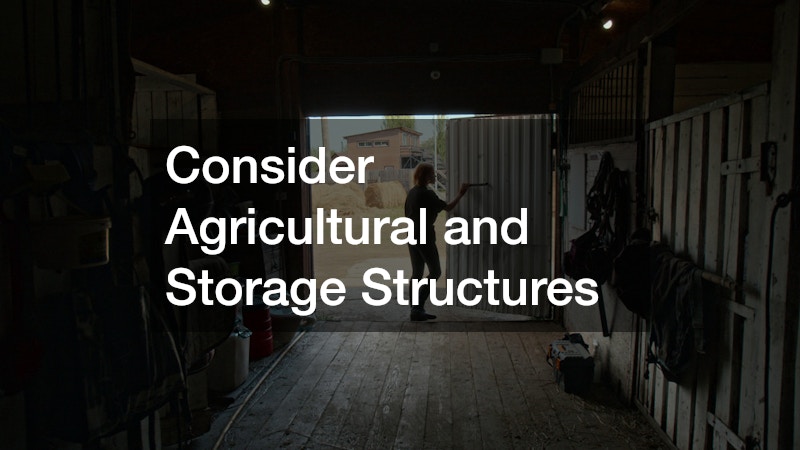
Rural properties often require structures that support agricultural activities, equipment storage, workshops, livestock, or recreational uses. Even a relatively small property may benefit from an appropriately designed outbuilding.
Landowners considering a barn should determine its purpose before selecting a design. The requirements for storing tractors and equipment differ from those for horses, livestock, hay, workshops, or mixed-use storage.
Experienced barn builders can help evaluate structural requirements, site placement, access, ventilation, drainage, and other considerations. Placement is especially important because a barn needs convenient access while also fitting into the overall property layout.
Local zoning, building codes, setbacks, permits, and environmental requirements may apply. Property owners should confirm these requirements before ordering materials or beginning site preparation.
The location of future utility lines should also be considered. A barn that is positioned without regard to water or electrical access may require significantly more infrastructure later.
Add Recreational Features With the Whole Site in Mind
Rural properties often provide opportunities for outdoor recreation and entertainment. A swimming pool, outdoor gathering area, pond, trails, or other amenities can make a property more useful for residents and guests.
A concrete swimming pool, for example, requires more planning than selecting its shape and finish. Landowners must consider grading, drainage, equipment placement, electrical service, water access, fencing, maintenance access, and the relationship between the pool and surrounding structures.
The pool’s location should be considered during the initial site plan. Placing it too close to septic components, wells, steep slopes, or drainage areas can create complications.
Recreational improvements can also affect traffic and parking. If a property is expected to host gatherings, the owner may need to account for additional vehicles, sanitation facilities, lighting, and pedestrian access.
Use Appropriate Signage and Wayfinding
Signs are easy to overlook during rural development, particularly on large properties with long driveways or multiple structures. However, clear signage can improve navigation, safety, and property organization.
Professional sign companies can produce signs for entrances, addresses, parking areas, private roads, building identification, safety notices, and other purposes.
The size and placement of signs should match the property and intended use. A small private residence may need little more than an address marker, while a farm, event property, campground, or multi-building site may require a comprehensive wayfinding system.
Landowners should also check local rules governing sign dimensions, illumination, placement, and visibility from public roads.
Thoughtful signage can reduce confusion and help visitors, contractors, and emergency personnel locate the correct areas without unnecessary driving around the property.
Account for Temporary Construction Needs
Rural development projects can last months or even years. During that time, workers may need temporary access, storage, sanitation, power, water, and other services.
A construction plan should identify where equipment and materials will be stored without interfering with permanent improvements. Temporary roads may also be needed if construction vehicles cannot use planned finished driveways.
Sanitation is particularly important on projects where crews will be working for extended periods. Portable facilities can be positioned in convenient locations and relocated as construction progresses.
Landowners should also establish expectations with contractors regarding site cleanup, debris removal, material storage, and restoration of disturbed areas. Construction waste can accumulate quickly on large rural properties, and unmanaged debris can create safety and environmental concerns.
If substantial amounts of material will be removed from the property, dumpster rental may be more practical than relying on small containers or repeated trips to a disposal facility. The appropriate container size and pickup schedule will depend on the type and volume of waste being generated.
Think About Existing and Future Structures
One of the biggest mistakes landowners can make is planning individual improvements without considering how they will interact. A house, barn, pool, septic system, driveway, well, garden, and recreational area all compete for space.
Creating a detailed site plan before construction begins allows owners to identify conflicts early. It can also reserve areas for improvements that may not be affordable immediately but could become important later.
For example, a property owner may not plan to build a guest house today but may want one eventually. Reserving an appropriate location and considering future utility connections during the initial development phase can reduce future costs.
The same principle applies to electrical infrastructure, water lines, roads, drainage systems, parking areas, and agricultural facilities.
Protect the Land During Construction
Development inevitably disturbs portions of a rural property, but thoughtful planning can minimize unnecessary damage. Heavy equipment can compact soil, damage vegetation, create erosion, and alter drainage patterns.
Construction traffic should be directed along planned routes whenever possible. Areas that will remain undeveloped should be clearly identified so contractors know where equipment and materials can be placed.
After major construction is complete, disturbed areas may require grading, erosion control, reseeding, planting, or other restoration work.
Landowners should also consider how natural features contribute to the property’s long-term value. Mature trees, wooded areas, wetlands, waterways, and natural buffers can provide environmental and aesthetic benefits. Removing them unnecessarily can make the property less attractive and increase future maintenance requirements.
Prepare for Maintenance After Construction
Completing development is only the beginning of property management. Rural infrastructure requires ongoing inspection and maintenance.
Road surfaces need to be monitored for cracks, potholes, drainage problems, and erosion. Septic systems require appropriate care and periodic attention. Wells and pumps should be inspected when problems arise or according to applicable maintenance recommendations.
Buildings also require routine maintenance. Barn roofs, siding, doors, drainage systems, and structural components can deteriorate when they are exposed to weather without proper upkeep.
Recreational features require their own maintenance schedules. Pools, outdoor structures, fencing, signs, and landscaped areas should all be included in a long-term property management plan.
Creating a maintenance calendar can help owners track inspections, service appointments, seasonal tasks, and expected replacement costs.
Keep Future Property Value in Mind

Even if a landowner has no immediate plans to sell, development decisions can influence future property value. Useful, well-maintained infrastructure can make a rural property more functional and appealing to potential buyers. Landowners may also consider dedicating a quiet area of the property to memorials, creating a meaningful space that honors loved ones while complementing the surrounding landscape.
However, expensive improvements do not automatically increase value by the amount invested. Improvements should therefore be selected based on their usefulness, quality, durability, and compatibility with the property’s market.
If selling is a possibility, consulting a local licensed realtor before making major improvements can provide useful insight into buyer expectations in the area. A professional familiar with local properties may be able to explain which improvements tend to appeal to buyers and which are less likely to provide a meaningful return.
This can be especially useful when deciding between highly personalized amenities and practical infrastructure that benefits a broader range of potential buyers.
Budget for More Than Construction
Rural development budgets should account for more than materials and contractor labor. Surveying, engineering, permits, inspections, utility connections, site preparation, temporary services, landscaping, and future maintenance can all affect the final cost.
Unexpected conditions are another reason to maintain a contingency fund. Rocky soil, drainage problems, difficult access, utility conflicts, or unsuitable building areas can require changes after work has already started.
Getting detailed estimates from qualified contractors can help establish a realistic budget. It is also useful to ask what is included in each estimate and whether site preparation, permits, cleanup, disposal, or restoration are excluded.
When comparing bids, the lowest initial price is not necessarily the least expensive option over the property’s lifetime. Durable materials, proper installation, and accessible infrastructure can reduce maintenance and replacement expenses.
Coordinate Contractors Before Work Begins
Large rural projects can involve many different professionals. Surveyors, engineers, excavators, paving contractors, septic specialists, well contractors, builders, electricians, plumbers, pool contractors, and other service providers may all have roles to play.
Coordination is essential because the work of one contractor can affect another. For example, utility installation may need to happen before paving, while septic and well locations can influence where structures are built.
A written development schedule can help establish the sequence of major activities. Landowners should also maintain records of permits, plans, warranties, invoices, inspections, and information about underground utilities.
Good documentation can be valuable years later when repairs are needed or the property changes ownership.
Review Regulations Before Breaking Ground
Rural does not necessarily mean unrestricted. Zoning regulations, building codes, environmental rules, septic requirements, floodplain regulations, access requirements, and restrictions associated with easements or property covenants may all apply.
Before beginning significant work, landowners should identify which government agencies have jurisdiction over the property and determine what approvals are required.
It is also important to confirm property boundaries and understand easements. An improvement built too close to a property line, road, utility corridor, or drainage easement can create expensive complications.
Getting these details sorted out early is generally easier than trying to correct a problem after construction begins.
Build a Practical Development Roadmap
Successful rural property development depends on seeing the property as a connected system. Roads affect drainage. Drainage affects building sites. Building locations affect utilities. Septic and well placement affects available construction space. Recreational features affect water demand and traffic. Future buildings may depend on infrastructure installed today.
For that reason, landowners should develop a roadmap before committing to individual projects.
Start by assessing the property, confirming regulations, defining its long-term purpose, and identifying the infrastructure required to support that purpose. Then prioritize improvements according to necessity, budget, and construction sequence.
A thoughtful plan can make it easier to coordinate everything from an asphalt curb installation and septic infrastructure to agricultural buildings, water pump services, temporary sanitation, dumpsters, signs, and future recreational improvements.
Most importantly, good planning allows landowners to develop rural property without losing sight of the land itself. The goal is not simply to add structures and services, but to create a functional, sustainable property that remains practical to maintain for years to come.